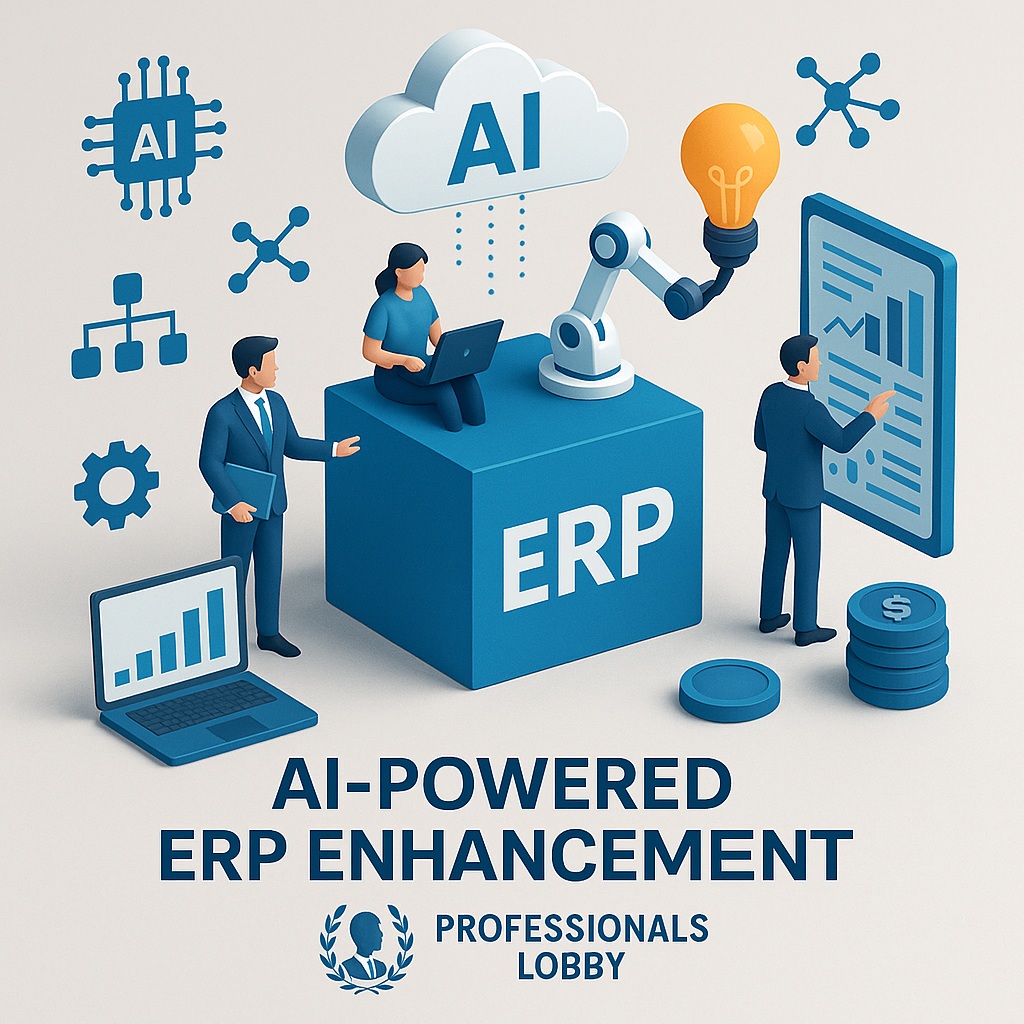
Compare leading ERP systems in UAE including SAP, Microsoft Dynamics 365, Oracle NetSuite, Odoo, Zoho and more.
Explore ERP features, pricing guidance, VAT and Corporate Tax compliance, cloud vs on-premise deployment options, and industry suitability — all structured for UAE businesses.
Trusted ERP comparison resource for UAE businesses evaluating 30+ ERP systems.
The UAE market including Dubai and Abu Dhabi offers multiple ERP solutions. Choosing the right one depends on business size, industry, compliance requirements, and budget.
Best For: Mid-sized & enterprise companies
Strong finance, operations, CRM integration and scalability.
Best For: Trading & manufacturing SMEs
Strong inventory, production, and distribution modules.
Best For: Multi-entity & international businesses
Cloud-based ERP with strong financial consolidation.
Best For: Cost-sensitive & customizable deployments
Modular structure with Arabic support and UAE VAT readiness.
Best For: Startups & growing SMEs
Affordable cloud ERP with CRM & accounting integration.
Businesses in Dubai, Abu Dhabi, Sharjah and across the UAE require ERP software that supports local tax laws and multilingual reporting.
| ERP Software | Best For | Deployment | UAE VAT Ready | Scalability |
|---|---|---|---|---|
| Dynamics 365 | Mid to Large Businesses | Cloud | Yes | High |
| SAP Business One | SMEs | On-Premise / Cloud | Yes | Medium |
| Oracle NetSuite | Global Companies | Cloud | Yes | High |
| Odoo | SMEs | Cloud / On-Premise | Yes | Flexible |
| Zoho | Small Businesses | Cloud | Yes | Moderate |
Choosing ERP software in UAE requires structured evaluation beyond feature comparison. Businesses must assess industry fit, scalability, implementation partner capability, UAE VAT configuration, Arabic reporting support, and long-term total cost of ownership.
Small and medium enterprises in UAE typically choose ERP systems such as Odoo, Zoho or SAP Business One depending on scalability needs, customization requirements and budget.
Businesses in Dubai and Abu Dhabi operate in highly regulated and fast-growing environments. Selecting ERP software requires alignment with UAE VAT regulations, Corporate Tax compliance, Arabic reporting standards, and industry-specific operational requirements.
Companies in Dubai often prioritize scalable cloud ERP solutions due to rapid business expansion and international trade exposure, while organizations in Abu Dhabi may focus on compliance, financial governance, and public-sector integration.
Before selecting ERP software in the UAE, businesses should evaluate local implementation partner capability, system customization flexibility, long-term support availability, and total cost of ownership. It is ideal to get independent ERP advisory support for successful selection and implementation.
ERP software cost in UAE varies based on user count, modules, customization, and deployment type.
AED 5,000 – 25,000+
AED 25,000 – 150,000+
AED 150,000 – 1M+
Selecting ERP software in UAE requires structured evaluation beyond features and pricing. Businesses must assess operational fit, compliance readiness, scalability, and long-term ROI.
SMEs may prefer modular and cost-effective ERP systems like Odoo or Zoho, while larger enterprises often require scalable solutions such as Microsoft Dynamics 365 or Oracle NetSuite.
Manufacturing, retail, logistics, healthcare, and real estate businesses in UAE require industry-specific ERP modules aligned with operational workflows.
ERP software in UAE must support VAT return reporting, corporate tax preparation, Arabic documentation, and e-invoicing readiness.
Cloud ERP offers faster deployment and lower infrastructure cost, while on-premise ERP provides higher customization control for complex enterprise environments.
ERP pricing includes licensing, implementation, customization, training, and long-term support. Hidden costs often arise without structured requirement documentation.
Preparing a professional Software Requirements Specification (SRS) before vendor discussions eliminates scope creep and ensures vendor-neutral comparison.
Before investing in any ERP software in UAE, get a Professional ERP Requirement Analysis and Software Requirements Specification (SRS) prepared by our vendor-neutral experts — powered by AI and completely free.
Choosing ERP software requires structured requirement analysis, vendor comparison, and long-term ROI planning. If you need independent advisory support, speak with our ERP Consultant in UAE.
Request ERP Selection SupportWe provide expert consulting for all major ERP systems in the UAE market
Cloud-based ERP for growing businesses with global operations.
Our AI-powered comparison engine analyzes structured business requirements and suggests ERP systems that best align with operational and regulatory needs in UAE.
Analyzes 50+ factors to suggest the best-fit ERP systems
Forecasts implementation costs and expected benefits
Compares your needs with similar businesses in your sector
Tailored implementations for your business sector
Omnichannel inventory, POS integration, and customer analytics.
Production planning, shop floor control, and quality management.
Fleet management, warehouse optimization, and route planning.
Patient management, inventory control, and compliance tracking.
Student information systems and financial management.
Property management, lease tracking, and maintenance.
Our vendor-neutral ERP consultants help you evaluate options, prepare structured SRS documentation, and avoid costly implementation mistakes.
Speak to an ERP ConsultantGet matched with certified ERP consultants who understand your business and the UAE market
Answers to the most searched ERP software questions in UAE.
The best ERP software for SMEs in UAE depends on business size, industry, and budget. Popular options include Odoo for modular flexibility, Zoho for affordability, and SAP Business One for structured trading and manufacturing operations. A proper requirement analysis is recommended before selection.
ERP software cost in UAE varies depending on users, modules, customization, and deployment type. Small business ERP systems may start from AED 5,000+, mid-sized ERP projects range from AED 25,000–150,000+, while enterprise ERP implementations can exceed AED 150,000.
Most leading ERP systems such as Microsoft Dynamics 365, SAP Business One, Oracle NetSuite, Odoo, and Zoho support UAE VAT configuration. However, proper implementation and reporting setup are essential to ensure compliance with Federal Tax Authority (FTA) requirements.
Cloud ERP offers lower infrastructure cost, faster deployment, and easier upgrades, making it ideal for most UAE businesses. On-premise ERP may suit enterprises requiring heavy customization or strict internal data control.
ERP implementation timelines vary by business complexity. Cloud ERP for SMEs may take 3–6 months, while enterprise deployments can range from 6–12 months depending on customization, integrations, and data migration requirements.
Many ERP systems used in UAE provide Arabic interface, bilingual reporting, and localized tax formats. Language availability depends on the ERP platform and implementation configuration.
A structured ERP implementation framework commonly used in UAE ERP projects.
Unlike vendor-driven implementations, our ERP consulting methodology is fully vendor-neutral and aligned with UAE regulatory requirements. We begin with a structured ERP requirement assessment and develop a professional Software Requirements Specification (SRS) before vendor selection.
Understand current operations, bottlenecks, and strategic goals.
Detailed workshops covering sales, finance, inventory, HR, and operations.
Structured documentation to eliminate scope creep and vendor bias.
Compare ERP platforms suitable for UAE market conditions.
Score-based evaluation aligned with business priorities.
Cost optimization and contract risk mitigation.
Define milestones, responsibilities, and governance structure.
Aligned to UAE VAT, corporate tax, and regulatory requirements.
Secure and structured migration from legacy systems.
Scenario-based validation before go-live.
Post-implementation support and continuous improvement.
Need independent advice before choosing ERP software? Consult an Independent ERP Consultant in UAE .
Request ERP Advisory SupportHave questions or ready to start your project? Reach out to us today.
Mon – Fri: 9:00 AM – 6:00 PM